
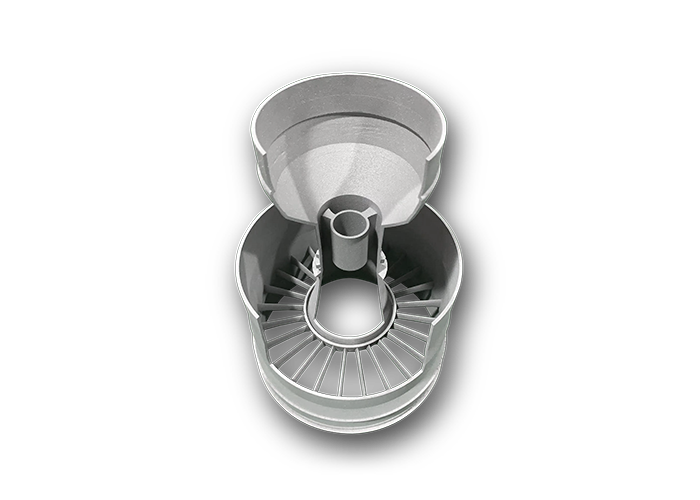

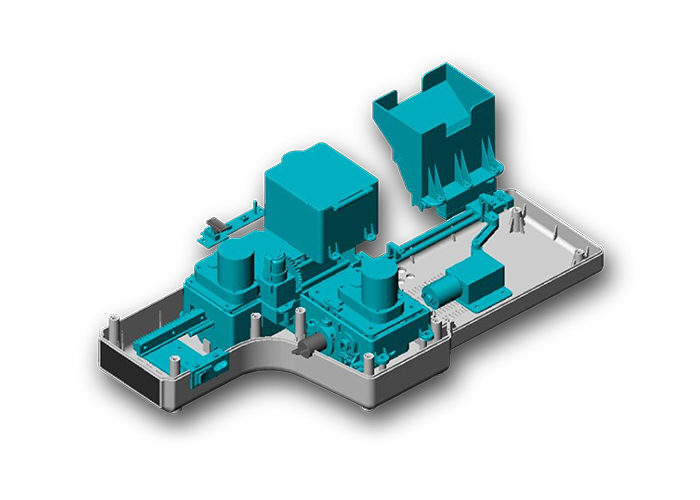
3D printing, also known as additive manufacturing, has gained increasing attention in the manufacturing industry in recent years. The technology has the potential to revolutionize the industry by providing customization, time-saving, and less waste. In this article, we will explore the advantages and limitations of 3D printing in manufacturing.
Advantages of 3D printing in manufacturing
Customization
One of the most significant advantages of 3D printing is the ability to create custom-made objects. Traditional manufacturing processes often require expensive tooling and machinery to create custom designs, but 3D printing can create objects with complex geometries at a lower cost. This advantage is particularly useful for creating prototypes and small-scale production.
Time-saving
3D printing can significantly reduce production time as it eliminates the need for tooling and setup times associated with traditional manufacturing processes. This technology can create objects in a matter of hours, which can be beneficial for prototyping and small-scale production. Additionally, 3D printing can create multiple objects simultaneously, further reducing production time.
Less waste
3D printing allows for more design flexibility as it can create objects with complex geometries and internal structures. This flexibility can result in more innovative and efficient designs, particularly in industries such as aerospace and automotive.
Limitations of 3D printing in manufacturing
Limited materials
While 3D printing can create objects with a variety of materials, the range of materials is still limited compared to traditional manufacturing processes. This limitation can be a significant challenge for manufacturing certain products that require specific properties, such as strength or durability.
Limited size
3D printers have a limited build volume, which can be a limitation for manufacturing larger objects. This limitation can be overcome by using multiple printers or splitting the object into smaller parts and assembling them later.
Surface finish
3D printing can create objects with a rough surface finish, which may not be suitable for certain applications. Additional post-processing may be required to achieve the desired surface finish, resulting in additional time and cost.
High initial cost
While 3D printing can be cost-effective for small-scale production, the initial cost of purchasing a 3D printer and materials can be expensive. This cost can be a significant barrier for small businesses or startups.
Conclusion
3D printing has the potential to revolutionize the manufacturing industry by providing customization, time-saving, and less waste. However, the technology still faces limitations such as limited materials, limited size, surface finish, and high initial costs. As technology continues to advance, we can expect to see even more exciting applications of 3D printing in manufacturing.
#3DPrinting #AdditiveManufacturing #Manufacturing #Customization #TimeSaving #LessWaste #DesignFlexibility #Prototyping #SmallScaleProduction #MaterialEfficiency #Innovation #Aerospace #Automotive #MaterialsScience #SurfaceFinish #HighInitialCost #LimitedMaterials #LimitedSize #ProductionLimitations #TechnologyAdvancements #SmallBusinesses #Startups