
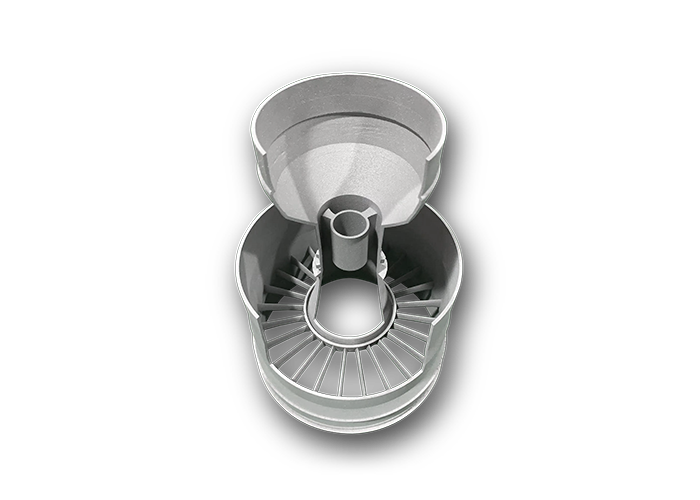

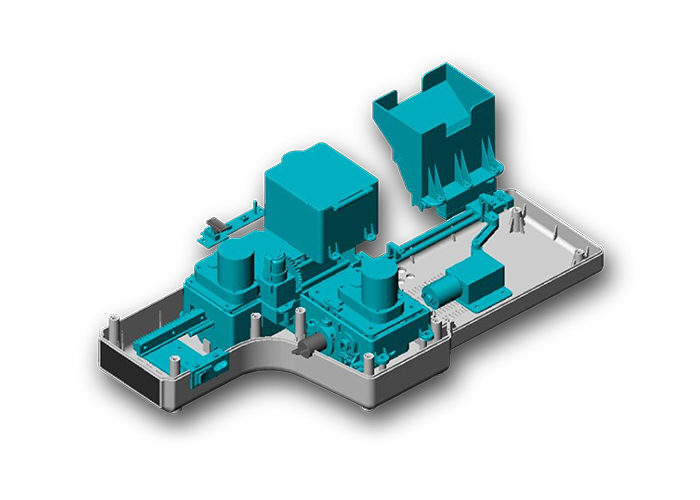
“3D printing is a revolutionary technology that has transformed many industries, from art and design to engineering and manufacturing. This technology has enabled the creation of complex structures and designs that were previously impossible to produce using traditional manufacturing methods. 3D printing has the potential to transform various industries by increasing efficiency, reducing costs, and improving the quality of products. Let’s take a closer look at how 3D printing is transforming various industries.”
Art and Design
3D printing has opened up new possibilities for artists and designers by allowing them to create complex and intricate designs with ease. This technology has enabled sculptors to create highly detailed and intricate sculptures, and designers to create unique and complex products that were previously impossible to produce. 3D printing has also made it easier for designers to create prototypes and test their designs before going into production, reducing costs and increasing efficiency.
Engineering
3D printing has transformed the engineering industry by enabling the creation of complex and customized parts with high precision and accuracy. This technology has reduced the time and cost of prototyping and testing, allowing engineers to iterate and refine their designs quickly. 3D printing has also enabled the creation of parts with complex geometries that were previously impossible to produce using traditional manufacturing methods.
Manufacturing
3D printing has the potential to revolutionize the manufacturing industry by enabling the production of customized and complex products quickly and efficiently. This technology has reduced the need for tooling and fixtures, reducing costs and lead times. 3D printing has also made it easier for manufacturers to produce small batches of products economically, enabling them to respond to changing market demands quickly.
Medical
3D printing has transformed the medical industry by enabling the creation of patient-specific implants, prosthetics, and surgical guides. This technology has reduced the time and cost of producing these devices, enabling patients to receive customized treatment quickly. 3D printing has also enabled the creation of models for surgical planning and training, reducing the risk of complications and improving patient outcomes.
Construction
3D printing has the potential to transform the construction industry by enabling the production of customized and complex building components quickly and efficiently. This technology has reduced the need for manual labour, reducing costs and lead times. 3D printing has also made it easier for architects and engineers to create complex and unique designs, enabling them to push the boundaries of traditional construction methods.
In conclusion, 3D printing is transforming various industries by enabling the creation of complex and customized products quickly and efficiently. This technology has the potential to revolutionize the way we design, engineer, and manufacture products, improving efficiency, reducing costs, and increasing the quality of products.
#ArtAndDesign #Engineering #Manufacturing #Medical #Construction #CustomizedProducts #Efficiency #CostReduction #Innovation #QualityControl #FutureOfManufacturing #PrecisionEngineering #Productivity #Sustainability #ManufacturingSolutions #Technology #IndustryTransformed #ManufacturingRevolution.