
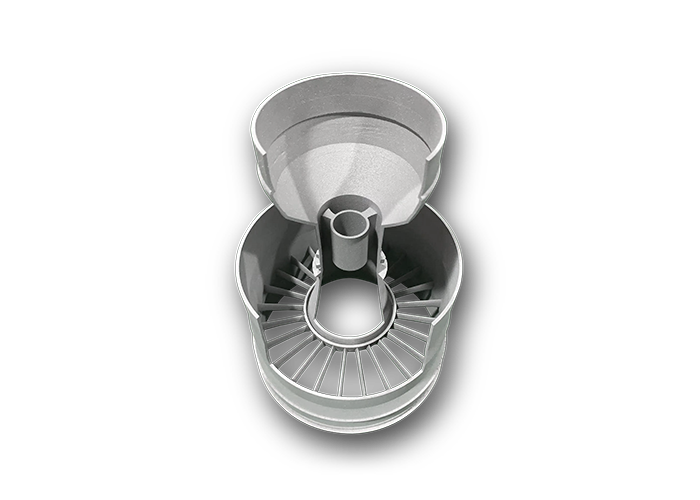

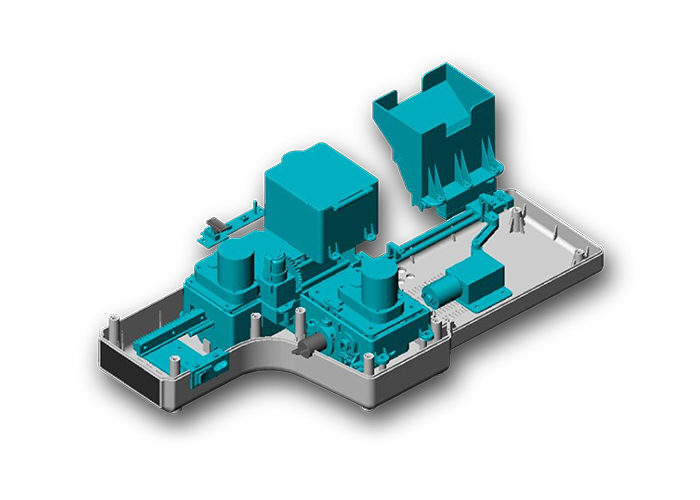
“Product development is a critical stage in the manufacturing process, and rapid prototyping plays a vital role in ensuring that products meet the needs of customers. 3D printing has emerged as a powerful tool in rapid prototyping, enabling designers and engineers to create prototypes quickly and efficiently. This technology has revolutionized the product development process, allowing for faster iterations and more accurate testing.”
Advantages of 3D Printing in Rapid Prototyping
One of the key advantages of 3D printing in rapid prototyping is its ability to enable the creation of complex and intricate designs. This technology allows for the creation of complex geometries and intricate details that were previously impossible to produce using traditional manufacturing methods. This enables designers and engineers to create prototypes that closely resemble the final product, improving the accuracy of testing and reducing the risk of errors.
Customization
3D printing also allows for the creation of customized prototypes, tailored to the specific needs of individual customers. This technology enables designers and engineers to create prototypes quickly and efficiently, reducing the time and cost of product development. Customized prototypes can be created on demand, reducing the need for inventory and storage.
Challenges with 3D Printing in Rapid Prototyping
However, there are also some challenges with 3D printing in rapid prototyping. One of the key challenges is the need for specialized materials that can support the creation of prototypes with the desired properties. Another challenge is the need for advanced software and design skills, which can be a barrier for some manufacturers.
Challenges in 3D Printing Customization
However, there are also some challenges with 3D printing customization. One of the key challenges is the need for advanced software and design skills. Creating customized products requires advanced computer-aided design (CAD) skills and software, which can be a barrier for some manufacturers. Another challenge is the need for specialized materials that can support the creation of customized products
Conclusion
In conclusion, 3D printing has revolutionized the product development process by enabling faster iterations and more accurate testing. This technology allows for the creation of complex and intricate designs, customized prototypes, and reduces the time and cost of product development. While there are some challenges with 3D printing in rapid prototyping, the advantages far outweigh the challenges, making it an essential tool in product development.
#3DPrinting #RapidPrototyping #ProductDevelopment #Customization #DesignSkills #AdvancedSoftware #SpecializedMaterials #Innovation #QualityControl #Efficiency #Productivity #Sustainability #ManufacturingSolutions #Technology #IndustryTransformed #ManufacturingRevolution