
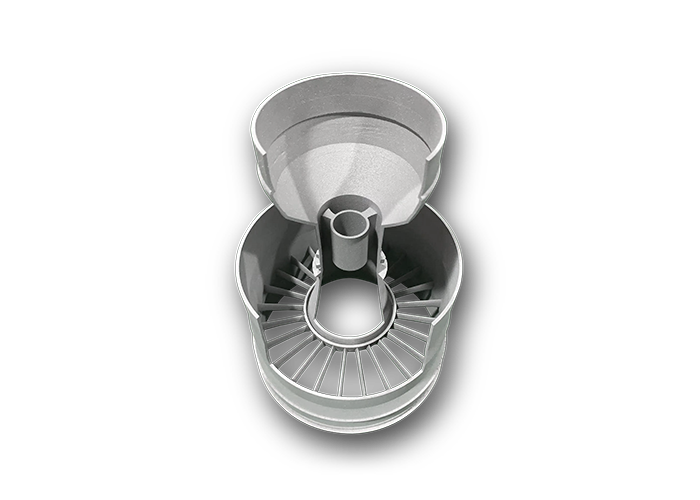

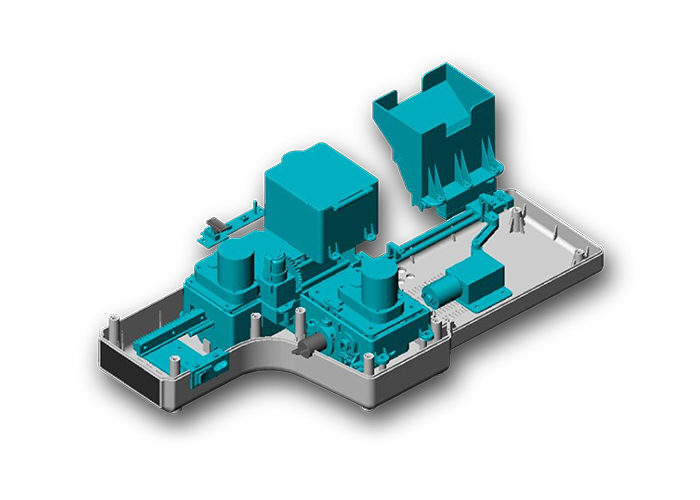
“Additive manufacturing, also known as 3D printing, has revolutionized the manufacturing industry by enabling the production of complex and intricate parts that would be difficult or impossible to produce with traditional manufacturing methods. In the metal casting industry, additive manufacturing has the potential to transform the way metal parts are produced. In this article, we will explore the opportunities and challenges of using additive manufacturing for metal casting.”
Opportunities of Using Additive Manufacturing for Metal Casting
Design Flexibility
One of the most significant opportunities for using additive manufacturing for metal casting is design flexibility. Additive manufacturing enables the creation of complex and intricate designs that would be difficult or impossible to produce with traditional casting methods. This flexibility allows designers to create parts with unique shapes and features, enabling greater efficiency and performance.
Reduced Lead Time
Another significant opportunity of using additive manufacturing for metal casting is reduced lead time. Traditional casting methods can be time-consuming and require multiple steps, such as creating moulds and patterns. Additive manufacturing simplifies the process by creating parts directly from a digital design, reducing the time and resources required for production.
Cost Savings
Additive manufacturing for metal casting can also lead to cost savings. By reducing lead time and simplifying the production process, additive manufacturing can reduce labour and material costs. Additionally, additive manufacturing can reduce waste by producing only the required amount of material, further reducing costs.
Challenges of Using Additive Manufacturing for Metal Casting
Quality Control
One of the most significant challenges of using additive manufacturing for metal casting is quality control. Metal casting requires strict control over the metallurgical properties of the cast material, such as its tensile strength and hardness. Additive manufacturing introduces new variables into the process, such as the porosity of the cast material and the potential for residual stress. These variables can impact the quality and performance of the final product, requiring careful monitoring and testing to ensure that the material properties meet the required specifications.
Surface Finish
Another challenge of using additive manufacturing for metal casting is surface finish. Traditional casting methods can produce smooth and polished surfaces, while additive manufacturing can result in rough and uneven surfaces. Surface finish is important for the performance and aesthetics of the final product, requiring additional post-processing steps to achieve the required surface finish.
Material Selection
Material selection is another challenge of using additive manufacturing for metal casting. Traditional casting methods typically use specific materials that are known to have specific properties and characteristics. Additive manufacturing introduces new materials and alloys, and these materials may not have been extensively tested for casting applications. Material selection requires careful consideration of the properties and characteristics of the material, as well as its compatibility with the casting process.
Conclusion
Additive manufacturing represents a significant opportunity for the metal casting industry, enabling greater design flexibility, reduced lead time, and cost savings. However, additive manufacturing also introduces new challenges, such as quality control, surface finish, and material selection. By embracing additive manufacturing and addressing these challenges, the metal casting industry can improve its production processes and develop new, innovative products that meet the needs of customers. As technology continues to evolve, additive manufacturing for metal casting will become even more advanced, enabling greater customization, efficiency, and innovation. By staying up-to-date with the latest trends and technologies in additive manufacturing, the metal casting industry can continue to improve its manufacturing processes and remain competitive in the digital age.
#AdditiveManufacturing #3DPrinting #MetalCasting #DesignFlexibility #ReducedLeadTime #CostSavings #QualityControl #SurfaceFinish #MaterialSelection #ManufacturingIndustry #ManufacturingTechnology #Innovation #Customization #Efficiency #Productivity #QualityControl #FutureOfManufacturing #PrecisionEngineering #Sustainability #ManufacturingSolutions