
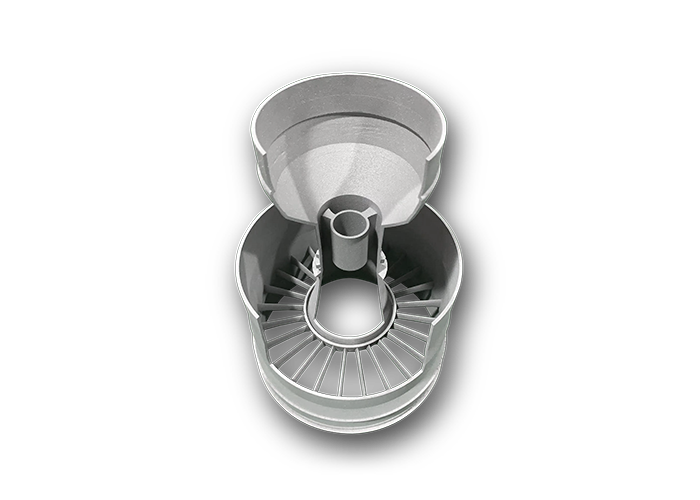

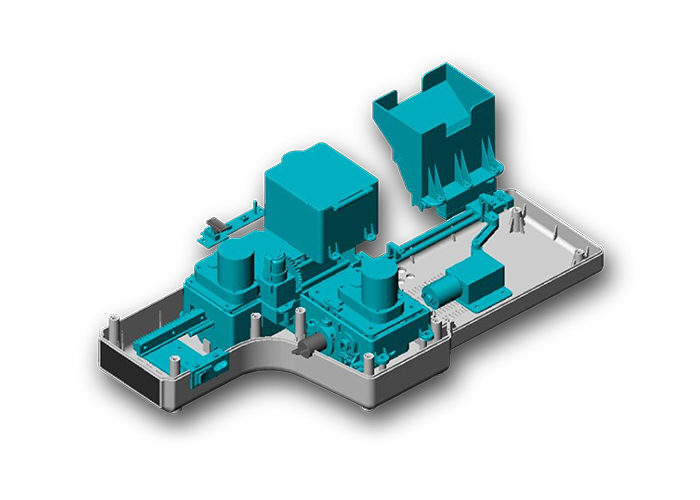
“Casting is a manufacturing process that involves pouring molten metal into a mould to create a part or product. In high-performance applications, such as aerospace, automotive, and medical industries, casting plays a crucial role in the production of complex and intricate parts that require high strength, durability, and precision. In this article, we will explore the materials and techniques used in casting for high-performance applications.”
Materials and Techniques Used in Casting for High-Performance Applications
Aluminium Alloys
Aluminium alloys are a popular material for casting in high-performance applications. Aluminium alloys have a high strength-to-weight ratio, making them ideal for applications that require strength and durability while minimizing weight. Additionally, aluminium alloys have excellent corrosion resistance and thermal conductivity, making them suitable for a wide range of applications.
Titanium Alloys
Titanium alloys are another popular material for casting in high-performance applications. Titanium alloys have a high strength-to-weight ratio and excellent corrosion resistance, making them suitable for use in harsh environments. Additionally, titanium alloys have excellent biocompatibility, making them suitable for medical applications.
Nickel-Based Alloys
Nickel-based alloys are commonly used in high-performance applications that require high strength, durability, and resistance to high temperatures. Nickel-based alloys have excellent corrosion resistance and thermal stability, making them suitable for use in the aerospace and energy industries.
Techniques Used in Casting for High-Performance Applications
Investment Casting
Investment casting, also known as lost-wax casting, is a casting technique used in high-performance applications. Investment casting involves creating a wax pattern of the part and coating it with a ceramic shell. The shell is then heated to melt the wax, leaving a cavity that is filled with molten metal. Investment casting produces parts with high dimensional accuracy and excellent surface finish, making it suitable for applications that require precision and complexity.
Sand Casting
Sand casting is another casting technique used in high-performance applications. Sand casting involves creating a mould by packing sand around a pattern of the part. The mould is then filled with molten metal, which solidifies to create the part. Sand casting is suitable for producing large and complex parts, making it a popular choice in the automotive and aerospace industries.
Die Casting
Die casting is a casting technique that involves injecting molten metal into a mould under high pressure. Die casting produces parts with high dimensional accuracy and excellent surface finish, making it a popular choice in the automotive and electronics industries.
Conclusion
Casting plays a crucial role in high-performance applications, enabling the production of complex and intricate parts that require high strength, durability, and precision. Materials such as aluminium alloys, titanium alloys, and nickel-based alloys are commonly used in high-performance casting applications due to their strength, durability, and resistance to corrosion and high temperatures. Casting techniques such as investment casting, sand casting, and die casting are used to create parts with high dimensional accuracy and excellent surface finish. By embracing these materials and techniques, manufacturers can produce high-performance parts that meet the strict requirements of their respective industries, improving safety, efficiency, and productivity.
#Casting #HighPerformanceApplications #AluminumAlloys #TitaniumAlloys #NickelBasedAlloys #InvestmentCasting #SandCasting #DieCasting #DimensionalAccuracy #SurfaceFinish #Strength #Durability #CorrosionResistance #ThermalStability #Precision #Complexity #AutomotiveIndustry #AerospaceIndustry #MedicalIndustry #EnergyIndustry #ManufacturingIndustry #ManufacturingTechnology #PrecisionEngineering #Sustainability #Efficiency #Productivity #QualityControl #FutureOfManufacturing #ManufacturingSolutions