
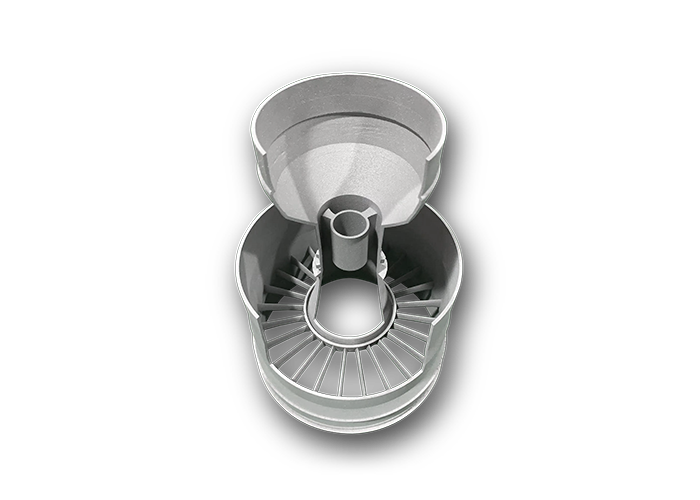

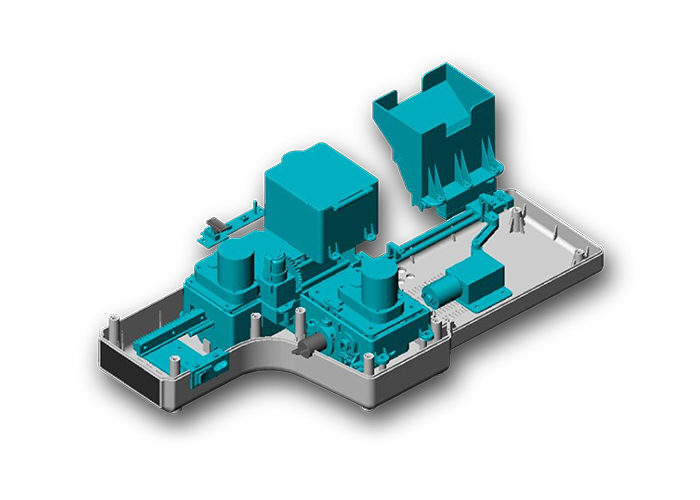
“Metal casting is a manufacturing process that has been used for thousands of years to create a wide range of metal parts and components. Metal casting involves pouring molten metal into a mould to create the desired shape. The molten metal then solidifies in the mould, creating the finished product. In this article, we will introduce you to metal casting techniques, how they work, and their applications in modern manufacturing.“
Sand Casting
Sand casting is one of the most common and versatile metal casting techniques. Sand casting involves creating a mould by packing sand around a pattern of the desired shape. The molten metal is then poured into the mould, and once it cools and solidifies, the sand is removed, leaving behind the finished product. Sand casting is suitable for creating large, complex, and irregularly shaped parts and is commonly used in the automotive, aerospace, and construction industries.
Investment Casting
Investment casting, also known as lost-wax casting, is a metal casting technique that involves creating a wax pattern of the desired shape, coating it in a ceramic shell, and then melting the wax out of the shell. The molten metal is then poured into the shell, which solidifies around the metal, creating the finished product. Investment casting is suitable for creating complex and intricate parts with a high level of detail and is commonly used in the aerospace, medical, and jewellery industries.
Die Casting
Die casting is a metal casting technique that involves injecting molten metal into steel moulds under high pressure. The mould is designed with two halves that are clamped together, and the molten metal is injected into the cavity at high speed. Once the metal solidifies, the mould is opened, and the finished product is removed. Die casting is suitable for creating high-precision, complex, and intricate parts with a smooth surface finish and is commonly used in the automotive, aerospace, and electronic industries.
Availability
The fourth consideration when choosing a CNC machining material is its availability. Some materials may be difficult to source or have long lead times, which can impact the manufacturing schedule. Availability should be considered when selecting a material to ensure that the required material is readily available and can be delivered on time.
Permanent Mold Casting
Permanent mould casting is a metal casting technique that involves using a reusable mould made of metal, usually steel or iron. The mould is designed with a cavity in the desired shape, and the molten metal is poured into the mould, where it solidifies. Once the metal cools and solidifies, the mould is opened, and the finished product is removed. Permanent mould casting is suitable for creating high-quality, complex, and large parts and is commonly used in the automotive, aerospace, and industrial equipment industries.
Centrifugal Casting
Centrifugal casting is a metal casting technique that involves pouring molten metal into a spinning mould. The spinning action of the mould distributes the molten metal evenly around the mould cavity, creating a dense and uniform product. Centrifugal casting is suitable for creating cylindrical and symmetrical parts and is commonly used in the manufacturing of pipes, tubes, and other cylindrical parts.
Conclusion
Metal casting techniques offer a wide range of options for creating metal parts and components with different shapes, sizes, and properties. Sand casting, investment casting, die casting, permanent mould casting, and centrifugal casting are just a few of the many metal casting techniques available. Each technique has its own advantages and disadvantages, and the choice of technique will depend on the specific requirements of the application. With advances in technology and manufacturing processes, metal casting techniques continue to evolve and improve, ensuring that they remain a critical tool in modern manufacturing. Metal casting is a versatile and reliable manufacturing process that has been used for centuries and will continue to play an important role in the production of metal parts and components.
#metalcasting #manufacturing #precision #engineering #sandcasting #investmentcasting #diecasting #permanentmoldcasting #centrifugalcasting #aerospace #automotive #industrialengineering #manufacturingprocess #manufacturingindustry #manufacturingengineering #engineeringtechnology #productivity #efficiency #castingtechniques