
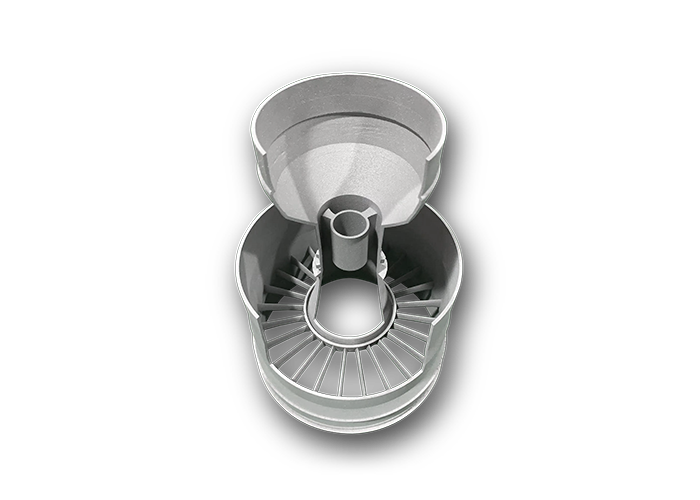

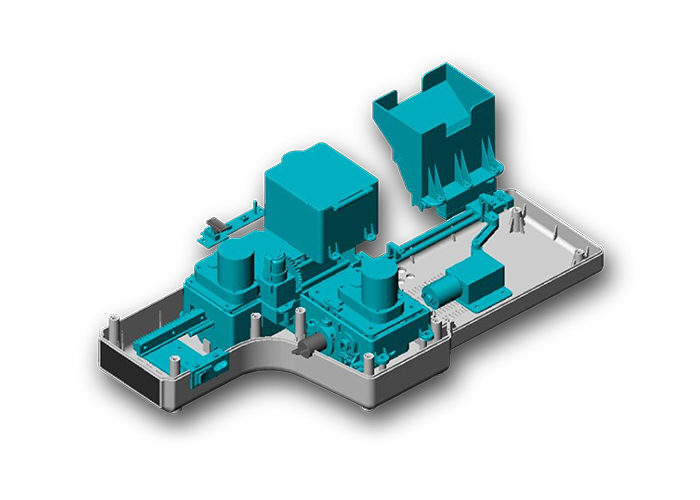
“Metal casting is a manufacturing process that involves pouring molten metal into a mould to create a part or product. In the renewable energy industry, metal casting plays a crucial role in the production of components for wind, solar, and hydroelectric power generation systems. In this article, we will explore the innovations and prospects of metal casting for renewable energy.”
Innovations of Metal Casting for Renewable Energy
Lightweight Materials
One of the most significant innovations in metal casting for renewable energy is the use of lightweight materials. Lightweight materials reduce the weight of the components used in renewable energy systems, enabling them to be installed in more challenging locations and improving the efficiency of the system. Metal casting enables the production of lightweight components made from materials such as aluminium and magnesium alloys.
Complex Designs
Another innovation in metal casting for renewable energy is the ability to create complex designs. Metal casting enables the production of intricate and complex components with high precision and accuracy, improving the efficiency and performance of the renewable energy system. Additionally, metal casting enables the production of components with unique shapes and sizes, enabling customization and optimization of the system.
Sustainability
Sustainability is a growing trend in the renewable energy industry, and metal casting is playing an important role in this trend. Metal casting enables the production of components made from recycled materials, reducing the environmental impact of the manufacturing process. Additionally, metal casting enables the use of eco-friendly binders and other materials, further reducing the environmental impact of the components.
Prospects of Metal Casting for Renewable Energy
Wind Turbine Components
Metal casting is widely used in the production of components for wind turbines, such as blades, hubs, and towers. Metal casting enables the production of lightweight and durable components that can withstand the harsh conditions of wind turbines. Innovations in metal casting, such as the use of lightweight materials and complex designs, are improving the efficiency and performance of wind turbines.
Solar Panel Components
Metal casting is also used in the production of components for solar panels, such as frames and mounting systems. Metal casting enables the production of components that are durable and resistant to wear and tear, improving the longevity of the solar panel system. Additionally, metal casting enables the production of components with unique shapes and sizes, enabling customization and optimization of the solar panel system.
Hydroelectric Power Generation Components
Metal casting is also used in the production of components for hydroelectric power generation systems, such as turbines and generators. Metal casting enables the production of components that are durable and resistant to corrosion, improving the longevity and performance of the hydroelectric power generation system.
Conclusion
Metal casting is playing a crucial role in the production of components for renewable energy systems, enabling the production of lightweight, durable, and environmentally friendly components. Innovations in metal casting, such as the use of lightweight materials and complex designs, are improving the efficiency and performance of renewable energy systems. By embracing metal casting in renewable energy, manufacturers can produce high-quality components that meet the evolving needs of the industry, contributing to the growth and sustainability of renewable energy.
#MetalCasting #RenewableEnergy #WindTurbines #SolarPanels #HydroelectricPower #LightweightMaterials #ComplexDesigns #Sustainability #RecycledMaterials #Efficiency #Performance #Customization #Innovation #ManufacturingProcess #EnvironmentalImpact #EfficientEnergy #GreenEnergy #GreenTechnology #CleanEnergy #EnergyTransition #FutureOfEnergy #EnergySecurity #ClimateChange #EnvironmentalSustainability #CircularEconomy #ManufacturingSolutions #QualityControl #Productivity #EfficiencyImprovements #EnergyEfficiency #EnergyStorage #EnergyManagement