
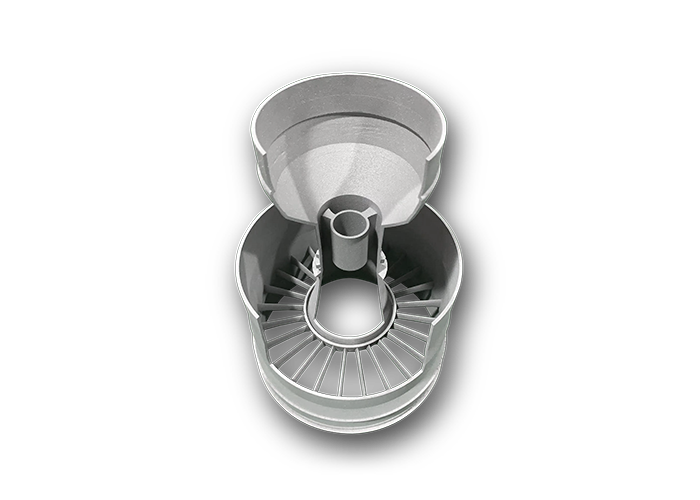

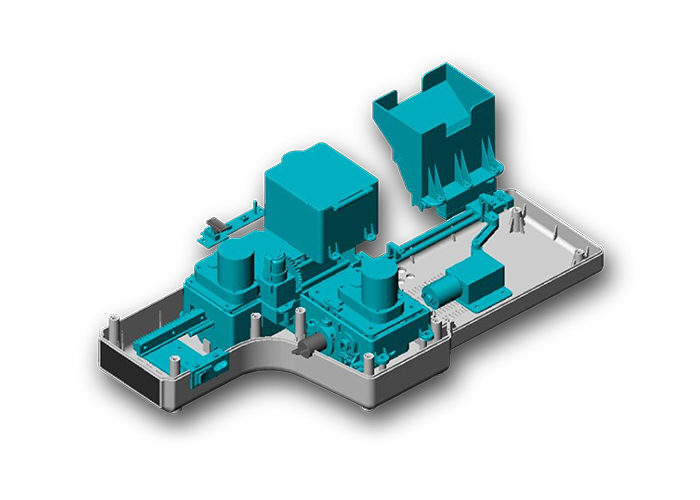
“Sand casting and investment casting are two widely-used metal casting processes that have been in use for centuries. Both processes have their advantages and disadvantages and are suited to different applications. In this article, we will explore the differences between sand casting and investment casting.”
Sand Casting
Sand casting is a casting process that involves creating a mould made of sand to create a desired shape. The sand is packed around a pattern, which is then removed, leaving a cavity in the sand. Molten metal is then poured into the cavity, where it solidifies and takes the shape of the mould.
Sand casting is a versatile and cost-effective process and is suitable for a wide range of applications. It is particularly suited to the production of large and simple components, such as engine blocks and pump housings. Sand casting is also an ideal process for prototypes and small production runs.
One of the downsides of sand casting is that it can be difficult to achieve a high level of precision and detail in the finished product. The quality of the finished product can also be affected by the quality of the sand used in the casting process.
Investment Casting
Investment casting, also known as lost-wax casting, is a casting process that involves creating a wax model of the desired product, coating it in a ceramic shell, and then melting the wax out of the shell. The empty shell is then filled with molten metal, which solidifies and takes the shape of the shell. The ceramic shell is then broken away, leaving the finished product.
Investment casting is a highly precise casting process and is ideal for producing complex and intricate components with a high level of detail. It is particularly suited to the production of small and complex components, such as jewellery and dental implants. Investment casting also allows for a wide range of materials to be used, including precious metals and alloys.
One of the downsides of investment casting is that it can be more costly than sand casting due to the time and effort required to create the wax model and ceramic shell. Investment casting is also not well-suited to the production of large components due to the limitations of the ceramic shell.
Sand Casting vs. Investment Casting
Both sand casting and investment casting have their advantages and disadvantages, and the choice of casting process will depend on the specific requirements of the application. Sand casting is generally more cost-effective and suitable for larger and simpler components, while investment casting is better suited to smaller and more complex components that require a high level of precision and detail.
Sand casting is a more versatile process and is suitable for a wide range of materials, including iron, steel, and aluminium. It is also a simpler process and requires less specialized equipment than investment casting.
Investment casting, on the other hand, allows for a greater level of precision and detail and is ideal for producing small and complex components. It also allows for a wider range of materials to be used, including precious metals and alloys.
Conclusion
Both sand casting and investment casting are important metal casting processes that have been used for centuries to produce a wide range of components. Each process has its own advantages and disadvantages, and the choice of the process will depend on the specific requirements of the application, including the size, complexity, and precision of the component. While sand casting is generally more cost-effective and suited to larger and simpler components, investment casting is better suited to smaller and more complex components that require a high level of precision and detail. As technology continues to advance, we can expect even more innovations in metal casting, further improving the efficiency and precision of these crucial manufacturing processes. The advancements in metal casting technologies provide manufacturers with significant opportunities to produce high-quality, complex, and intricate parts and products, leading to better products, better design, and ultimately better consumer experiences.
#CNCmachining #manufacturing #precision #engineering #materialproperties #machinability #cost #availability #environmentalimpact #sustainability #productdesign #industrialengineering #manufacturingprocess #manufacturingindustry #manufacturingengineering #engineeringtechnology #productivity #efficiency #materialselection